
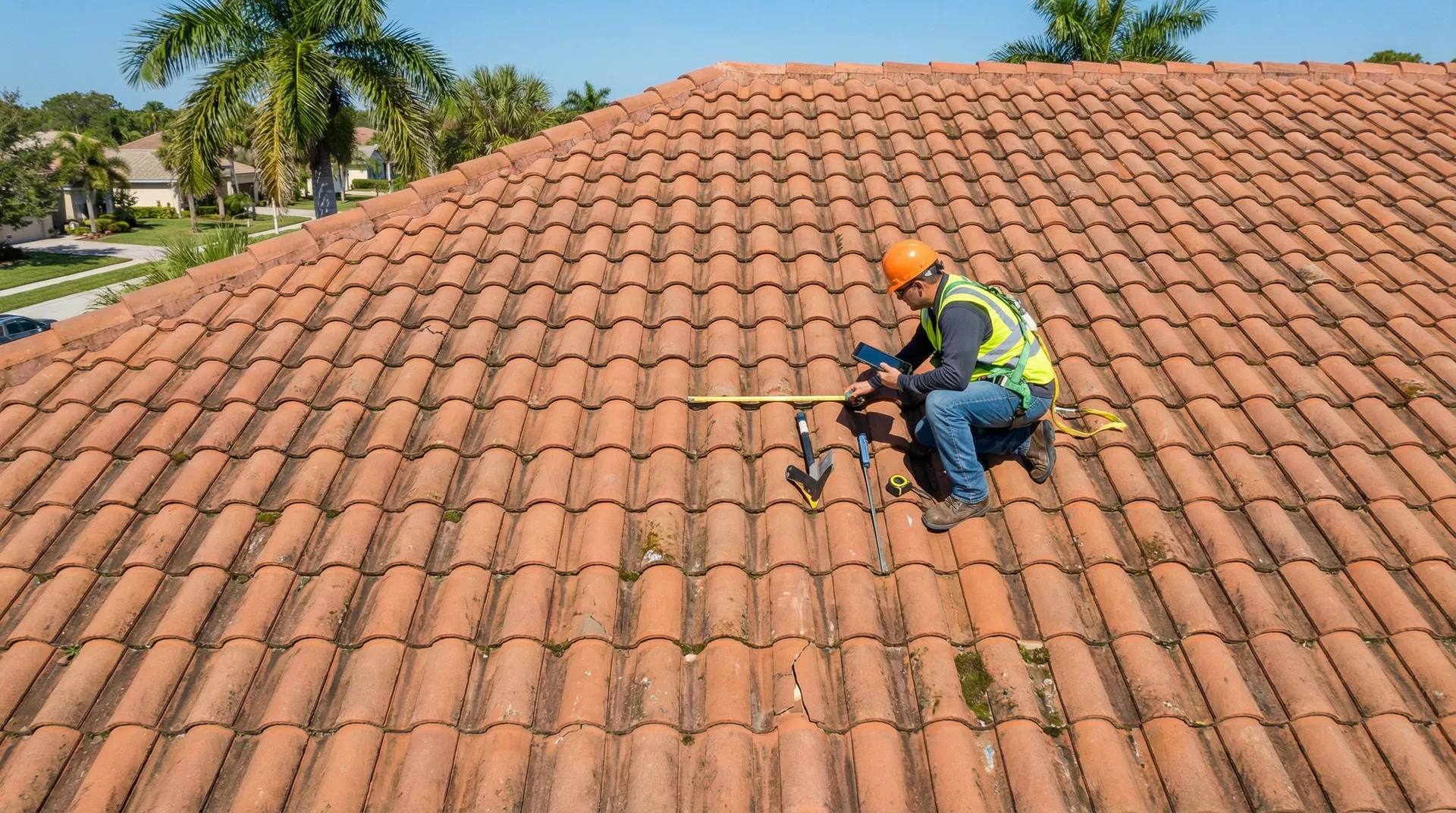
In Florida's dynamic real estate and insurance landscape, a Roof Certification Inspection has become an indispensable document for homeowners. This specialized assessment provides a professional, unbiased evaluation of a roof's current condition, estimated remaining useful life, and compliance with local building codes, particularly crucial in a state prone to severe weather events like hurricanes. For homeowners, this certification is often the key to securing or renewing insurance policies, facilitating real estate transactions, and gaining invaluable peace of mind regarding their property's most vital protective layer. Without it, property owners may face significant challenges, including policy non-renewal, limited coverage options, or even stalled home sales. This article will delve into the specifics of roof certification inspections, highlighting their importance, the detailed process involved, and the critical Florida-specific factors that make them essential.
What is a Roof Certification Inspection?
A Roof Certification Inspection is a formal evaluation conducted by a licensed roofing contractor or qualified home inspector to ascertain the structural integrity and functional condition of a residential roof. Unlike a general home inspection, which covers multiple components of a property, a roof certification focuses exclusively on the roofing system. The primary goal is to determine if the roof is free from significant defects, capable of providing adequate protection, and has a minimum estimated remaining useful life, typically 3-5 years, as often required by insurance carriers and lenders. The inspection assesses various elements, including the type of roofing material, its age, visible signs of wear and tear, granule loss, missing or damaged components, flashing integrity, and overall drainage. The outcome is a signed document, often accompanied by photographic evidence, certifying the roof's condition at the time of inspection.
Why Roof Certifications are Critical in Florida
Florida's unique climate, characterized by intense sun, heavy rainfall, and frequent hurricane activity, places exceptional demands on roofing systems. Consequently, roof certifications have become a critical requirement for several reasons:
Insurance Requirements
The Florida insurance market has undergone significant changes, making roof certification a prerequisite for many policies. Insurers frequently mandate a roof certification for homes with roofs exceeding a certain age, often 10 to 15 years, before issuing new policies or renewing existing ones. This is due to the heightened risk of storm damage to older roofs. A certified roof in good condition can lead to more favorable insurance rates and prevent policy cancellation. For instance, Many Florida insurers require a Roof Condition Certification or proof of a roof replacement for older homes upon renewal.
Real Estate Transactions
In Florida's competitive real estate market, a current roof certification is a significant asset. Buyers often request it to ensure they are not inheriting a costly roof replacement project, while lenders may require it as a condition for mortgage approval to protect their investment. Sellers who proactively obtain a certification can streamline the sales process, avoid last-minute complications, and demonstrate transparency, potentially increasing buyer confidence and property value. It's a common component of the 4-point inspection, which also includes plumbing, HVAC, and electrical systems.
Peace of Mind
Beyond transactional necessities, a roof certification offers homeowners invaluable peace of mind. It provides a clear understanding of their roof's condition, allowing them to anticipate future maintenance or replacement needs and budget accordingly. Identifying potential issues early can prevent minor problems from escalating into costly structural damage, especially during hurricane season. This proactive approach safeguards the home, its occupants, and the homeowner's financial well-being.
The Roof Certification Inspection Process: A Detailed Look
The process of obtaining a roof certification is thorough and systematic, ensuring a comprehensive evaluation of the roofing system.
Step 1: Scheduling and Preparation
The first step involves scheduling an inspection with a licensed and reputable home inspector or roofing contractor. It's advisable to choose a professional with specific experience in Florida's unique roofing challenges. Homeowners should ensure clear access to the roof and, if possible, the attic space, to facilitate a complete assessment.
Step 2: The Comprehensive Physical Inspection
During the inspection, the professional will meticulously examine all accessible components of the roof. This includes:
- Roof Covering Materials: Assessing shingles, tiles, metal panels, or membrane for signs of wear, cracking, curling, granule loss, missing pieces, or punctures. The inspector will note the material type and its overall condition.
- Flashing: Inspecting all flashing around chimneys, vents, skylights, and wall junctions for proper installation and integrity, as these are common points of water intrusion.
- Drainage Systems: Evaluating gutters, downspouts, and roof slopes to ensure proper water shedding and prevent ponding, which can accelerate roof deterioration.
- Structural Components: Looking for signs of sagging, damage to the roof deck, or compromised trusses, particularly from the attic if accessible. Evidence of past or present leaks will also be noted.
- Ventilation: Checking the adequacy and functionality of attic ventilation, which is crucial for preventing heat and moisture buildup that can degrade roofing materials and increase energy costs.
- Penetrations: Examining all roof penetrations, such as pipes, vents, and satellite dishes, for secure sealing and proper installation.
Step 3: Documentation and Analysis
Throughout the inspection, detailed notes are taken, and photographic evidence is collected to document findings. This includes both areas of concern and components in good condition. The inspector then analyzes the collected data to determine the roof's overall condition, its estimated remaining useful life, and whether it meets the criteria for certification. If minor repairs are needed to achieve certification, these will be clearly outlined.
Step 4: Issuance of the Certification Report
If the roof meets the necessary standards, a formal Roof Certification Report is issued. This document typically includes:
- Property address and inspection date.
- Type of roofing material and approximate age.
- A detailed assessment of the roof's current condition.
- The estimated remaining useful life of the roof.
- Any specific conditions or limitations of the certification.
- The inspector's license information and signature.
- Supporting photographs.
Florida-Specific Context: Hurricane Codes and Insurance
Florida's stringent building codes, particularly those related to hurricane resistance, significantly impact roof certification. Following the devastating hurricanes of the early 2000s, Florida adopted some of the most robust building codes in the nation, especially in High-Velocity Hurricane Zones (HVHZ) like Miami-Dade and Broward counties. These codes dictate specific requirements for roof construction, materials, and installation techniques designed to withstand extreme wind forces.
For roof certification, inspectors pay close attention to features like secondary water resistance (SWR) barriers, proper fastening of roof decking, and the use of impact-resistant materials. A roof that complies with current Florida Building Code standards, or has been upgraded to meet them, is more likely to receive a longer certification period and qualify for insurance premium discounts, such as those offered through a wind mitigation inspection. Conversely, roofs that do not meet these standards may face higher insurance premiums or even be deemed uninsurable without significant upgrades.
Common Reasons for Certification Denial
Understanding the common pitfalls can help homeowners prepare for a roof certification inspection:
- Active Leaks: Any evidence of current water intrusion is an immediate disqualifier. Even minor leaks indicate a failure in the roof's primary function.
- Insufficient Remaining Useful Life: If the roof is deemed to have less than the required 3-5 years of useful life, it will not be certified. This is often the case with older roofs, typically 15-20 years or more, depending on the material.
- Significant Damage or Deterioration: Extensive granule loss, widespread cracking, missing shingles, or severe material degradation indicate a roof nearing the end of its lifespan.
- Structural Compromises: Sagging rooflines, damaged trusses, or soft spots on the roof deck point to underlying structural issues that must be addressed.
- Improper Repairs or Installations: Substandard previous repairs, incorrect flashing, or installations that do not meet current building codes can lead to denial.
- Hurricane or Storm Damage: Unrepaired damage from past weather events, even if seemingly minor, can compromise the roof's integrity and prevent certification.
Frequently Asked Questions (FAQs)
Protect Your Investment with JAX Inspection Services
Ensuring the longevity and safety of your home begins with a robust roof, especially in Florida's challenging climate. A professional roof certification inspection from JAX Inspection Services provides the clarity and documentation you need to navigate insurance requirements, facilitate real estate transactions, and gain confidence in your home's protection. Our licensed and experienced inspectors provide thorough, unbiased evaluations, offering detailed insights into your roof's condition and estimated remaining useful life.
Don't leave your home's most critical defense to chance. Contact JAX Inspection Services today to schedule your comprehensive roof certification inspection. Protect your investment and secure your peace of mind.